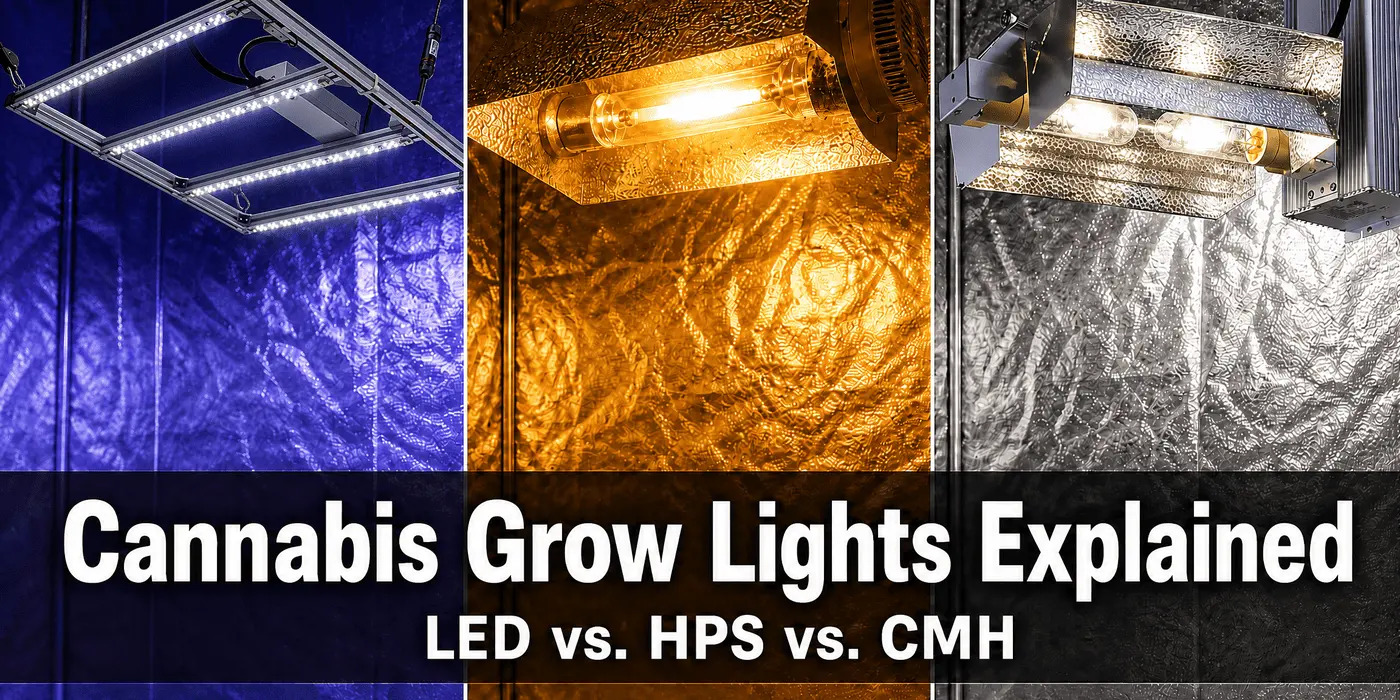
Cannabis Grow Lights Explained: LED vs. HPS vs. CMH
Choosing the right grow light is the most critical decision for indoor cannabis. Compare LED, HPS, and CMH lights to find the best spectrum and yield potential for your tent.
Key takeaways
- Spend the majority of your budget on your light; it is the engine of your indoor grow. Cutting corners here results in airy, "larfy" buds.
- If managing heat is an issue in your home (e.g., growing in a closet or warm climate), LED is the only viable option.
- Always hang your lights according to the manufacturer's height recommendations. Too far away causes plants to stretch and weaken; too close causes irreversible light burn and bleaching.
When building an indoor cannabis garden, your grow light is the most critical piece of equipment you will buy. It acts as the artificial sun for your plants, driving photosynthesis, dictating your maximum yield, and heavily influencing your monthly energy bill.
For decades, growers debated between High-Pressure Sodium (HPS) and Ceramic Metal Halide (CMH) setups. Today, advancements in LED technology have completely shifted the paradigm. For an overview of how lighting fits into your entire grow tent environment, check out our complete guide to growing cannabis indoors.
Measuring Light: Watts vs. PPFD
When evaluating a grow light, beginners often look at the wattage (e.g., "1000W LED"). However, wattage only measures the energy consumed by the fixture, not the light produced for the plant.
Instead, professional cultivators look at PPFD (Photosynthetic Photon Flux Density). Measured in micromoles per square meter per second (umol/m2/s), PPFD tells you exactly how many usable light photons are hitting a specific area of your plant canopy.
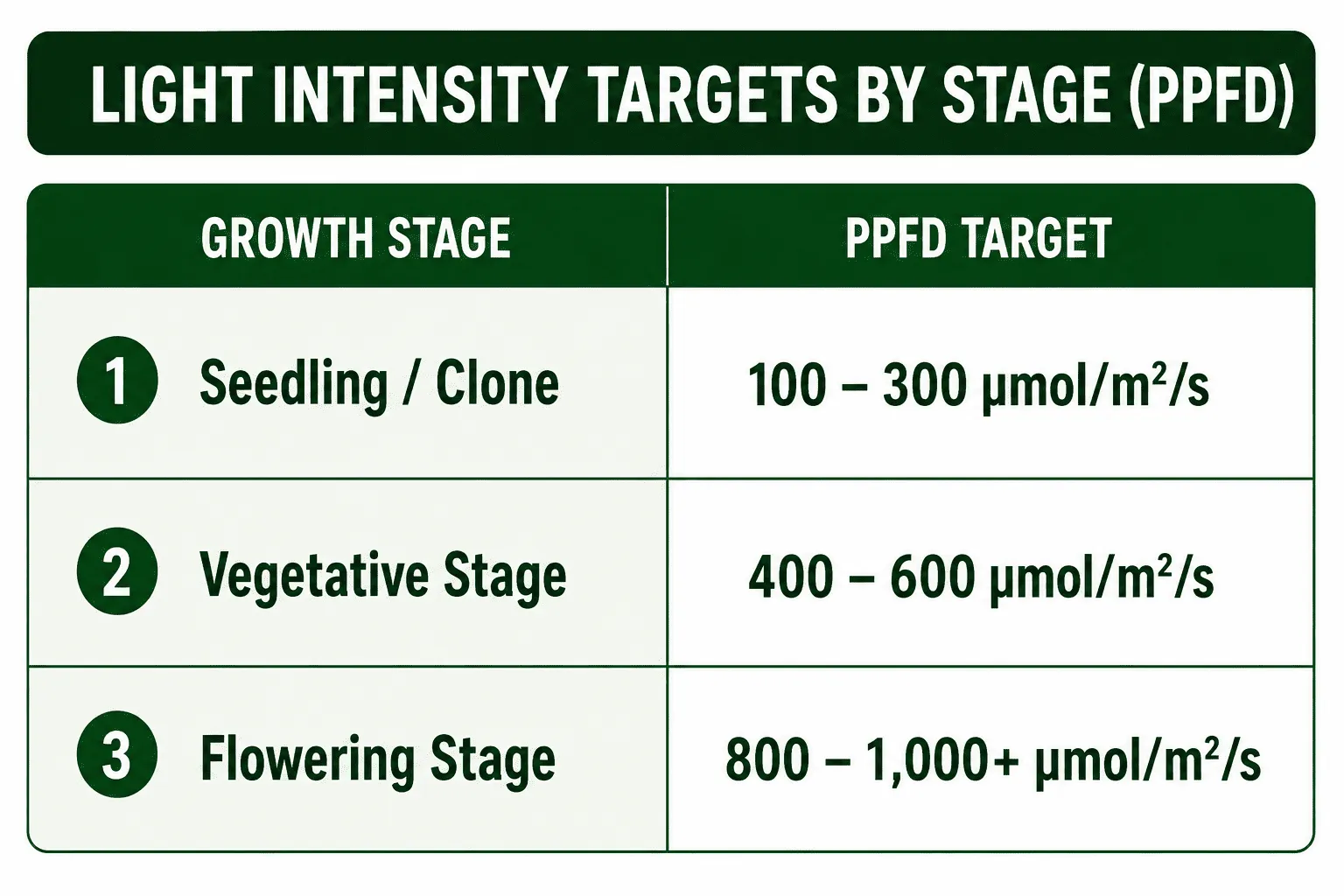
According to standards set by the DesignLights Consortium (DLC) and horticultural researchers, cannabis requires specific PPFD ranges during different life stages:
- Seedlings/Clones: 100 – 300 u mol/m2/s
- Vegetative Stage: 400 – 600 umol/m2/s
- Flowering Stage: 800 – 1,000+ umol/m2/s (Values over 1,000 typically require supplemental CO2 to prevent light stress).
1. Light Technologies (LED, HPS, CMH) Overview
1. LED (Light Emitting Diode)
LEDs are the undisputed modern standard for indoor growing. Early generations of LEDs ("blurples") lacked the intensity required for dense flowering, but modern full-spectrum LED quantum boards and bar fixtures match or exceed the output of legacy bulbs.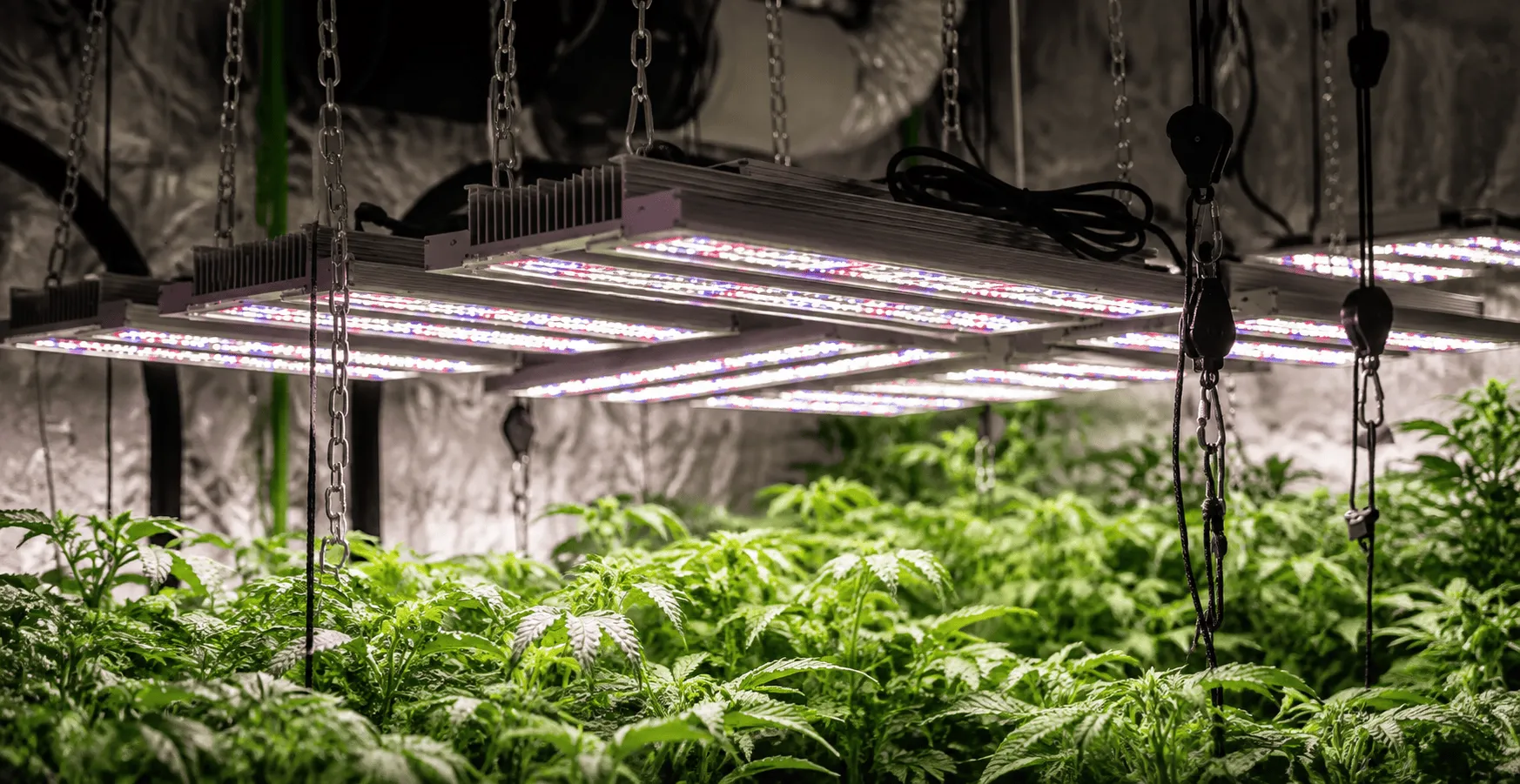
- Pros: Incredible energy efficiency, very low heat output, full-spectrum light (often tunable), and a lifespan of over 50,000 hours with no bulb changes required.
- Cons: High initial purchase price.
2. HPS (High-Pressure Sodium)
HPS fixtures emit an intense, reddish-orange spectrum that cannabis plants love during the flowering stage. For decades, this was the only way to achieve truly commercial-grade yields indoors.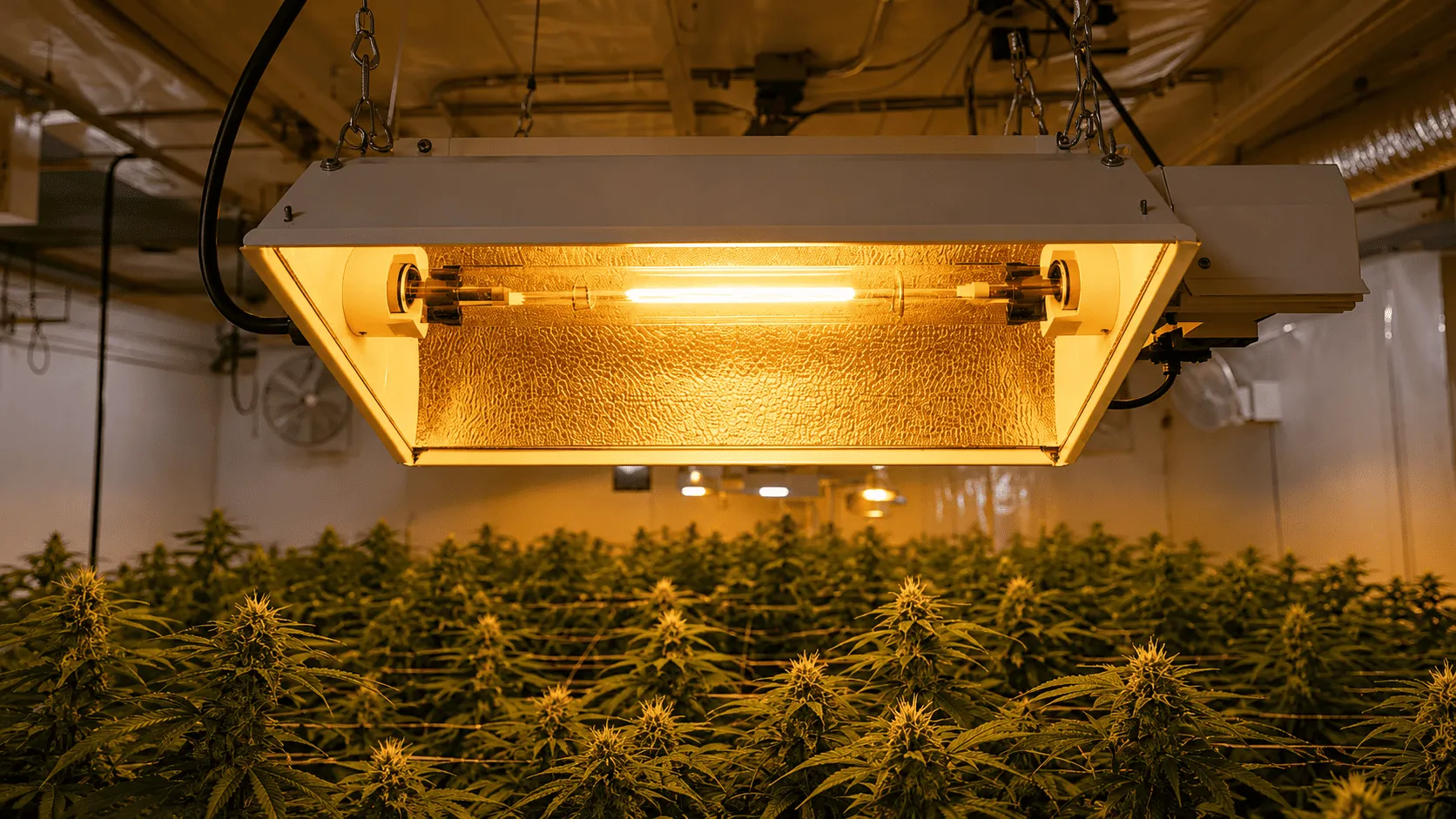
- Pros: Highly effective for large yields and dense colas; fixtures and replacement bulbs are very cheap upfront.
- Cons: Massive heat generation. Running HPS requires heavy-duty inline exhaust fans and sometimes dedicated air conditioning units just to keep the tent from turning into an oven.
3. CMH (Ceramic Metal Halide)
Often referred to as Light Emitting Ceramic (LEC), CMH acts as a middle ground. They offer a much broader and more natural light spectrum than HPS, providing excellent UV and IR light which is known to boost terpene (flavor and smell) production.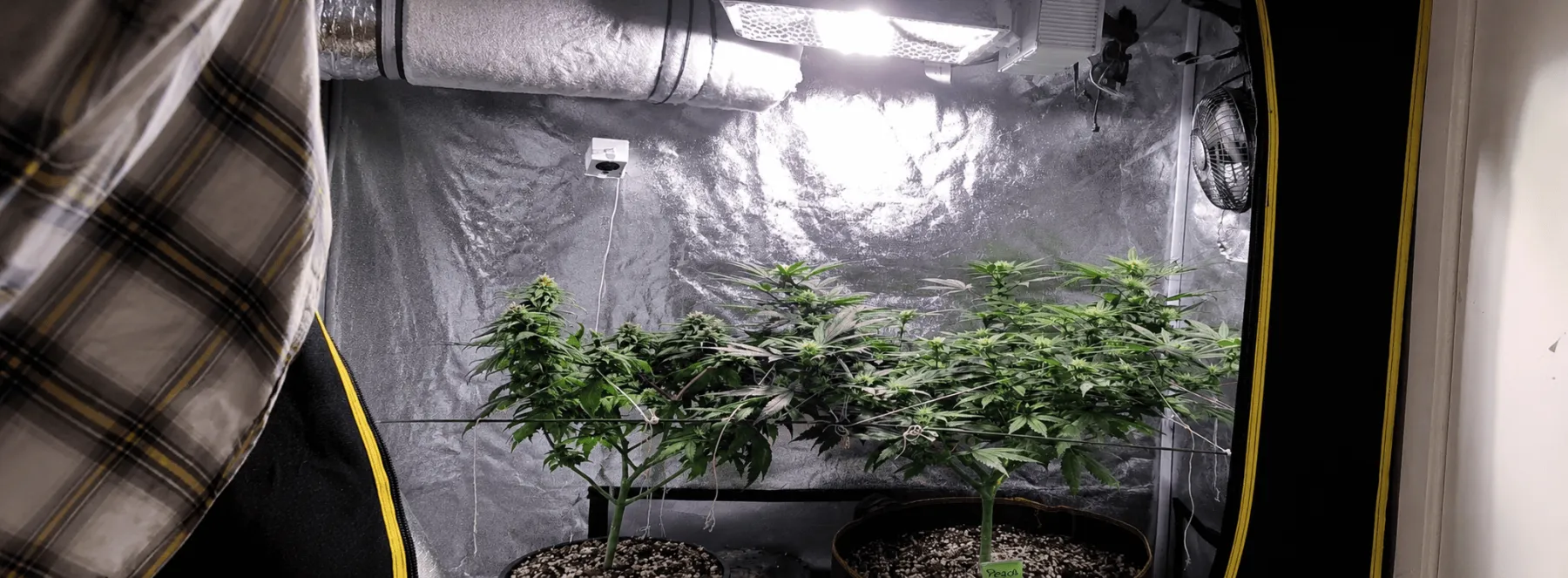
- Pros: Better spectrum than HPS, runs slightly cooler, excellent for trichome production.
- Cons: Bulbs run very hot (though less than HPS) and degrade over time, requiring replacement every 1-2 years.
2. The Real Cost of Power & Electrical Efficiency
1. Direct Electrical Draw (Light Wattage)
A standard 600W HPS fixture pulls roughly 600–650 true watts from the wall every hour it runs. During the vegetative stage (18 hours of light per day), that single lamp consumes nearly 11 kWh daily. Switching to a high-efficiency 400W LED panel that delivers equal—or superior—canopy light intensity saves roughly 3.6 kWh per day. Over a standard 3-month cycle, that single upgrade slashes direct lighting power usage by nearly 330 kWh.2. The Hidden HVAC Tax
The largest hidden drain on your electricity bill isn't the light itself—it is the extra gear required to keep your tent from overheating.- Thermal Radiation: Over 80% of the energy emitted by an HPS bulb radiates as ambient infra-red heat. To keep your tent below 80°F, you are forced to run high-CFM exhaust fans continuously or install portable air conditioners (which easily pull an additional 1,000+ watts).
- LED Efficiency: Quality LEDs convert a far higher percentage of electricity into usable photons rather than wasted thermal heat. This drastically reduces the workload on your extraction fans and dehumidifiers, cutting overall room wattage consumption.
3. Photometric Efficacy (umol/J)
In horticultural science, power efficiency is measured by Efficacy—how many micromoles of light (umol) a fixture generates per single joule (J) of electricity used.- Legacy HPS Fixtures: Typically perform between 1.3 and 1.7 u mol/J.
- Modern Full-Spectrum LEDs: Regularly achieve between 2.5 and 3.0+ umol/J.
The Break-Even Timeline
Although a top-tier LED panel costs $200–$400 more upfront than an entry-level HPS kit, the combined savings on utility bills, lower heat management requirements, and eliminated annual bulb replacements mean the LED pays for itself within two to three harvests.LED vs. HPS Grow Lights
| Criteria | LED (Full Spectrum) | High-Pressure Sodium (HPS) |
|---|---|---|
| Initial Cost | High (0 – 0+) | Low (0 – 0) |
| Energy Efficiency | Excellent (~1.5 to 2.5 g/watt) | Poor (~0.5 to 1.0 g/watt) |
| Heat Output | Very Low (Minimal heat strain) | Very High (Requires heavy ducting) |
| Spectrum Quality | Full broad spectrum (Veg & Flower) | Red/Orange heavy (Flower focused) |
| Lifespan & Maintenance | 50,000+ Hours (No bulb changes) | 10,000 Hours (Change bulb yearly) |
3. Spectrum Science & PPFD Targets
Frequently asked questions
What size light do I need for a 4x4 grow tent?
For a 4x4 (16 square foot) tent, you should aim for a true power draw of 400W to 600W if using high-efficiency LEDs, or a 600W to 1000W fixture if using HPS.
Can I use standard house lights to grow cannabis?
No. Standard incandescent or household LED bulbs lack the intensity (PPFD) and the correct spectrum required for dense bud production. Seedlings may sprout under them, but they will stretch aggressively and fail to flower properly.
Authoritative sources
References supporting factual claims and further reading in this guide.