The Cannabis Grow Timeline: From Seed to Cured Harvest
Track your indoor cannabis plant from germination to cure. Master environmental requirements, light schedules, and harvest timing for maximum potency.
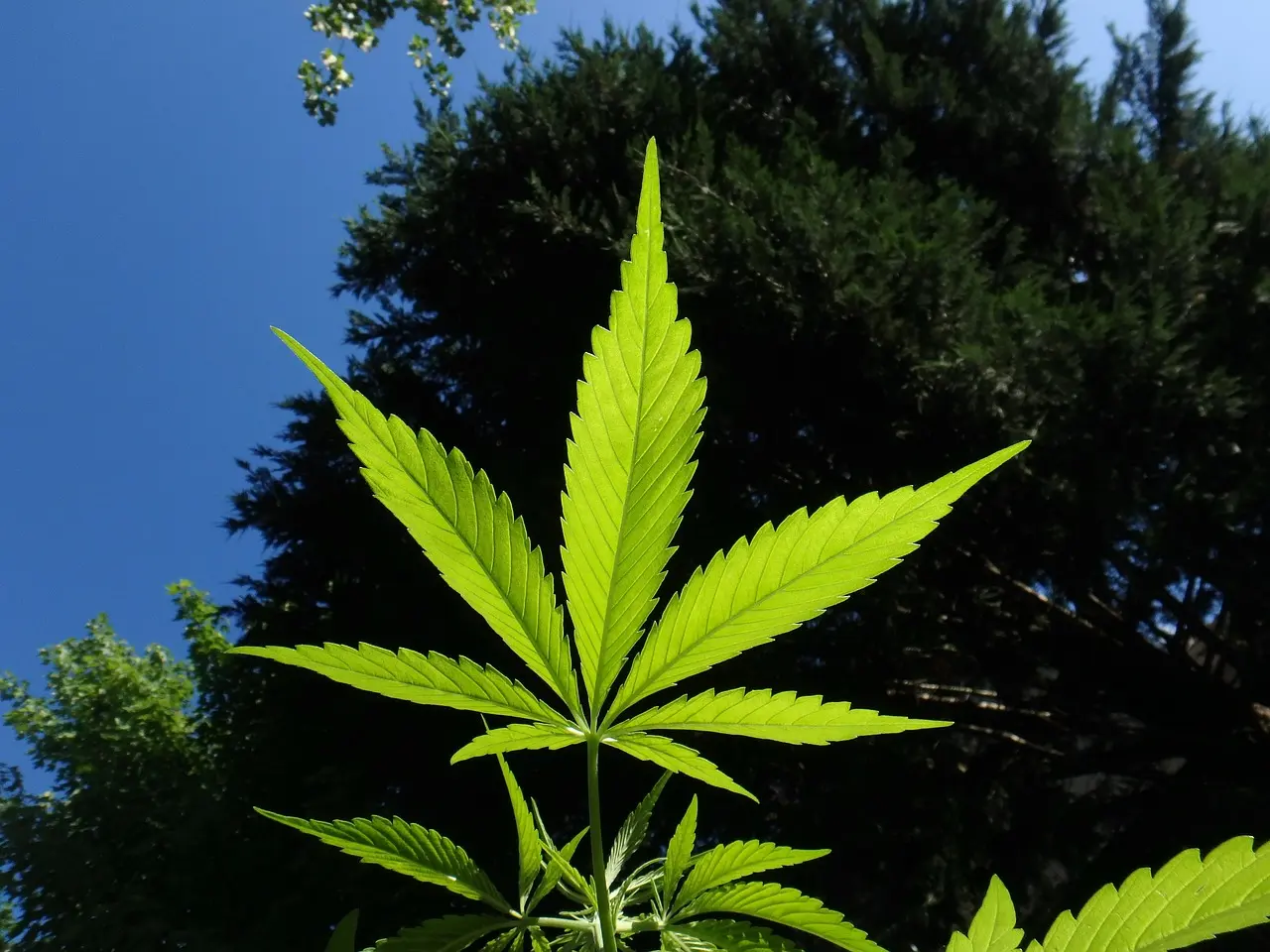
Key takeaways
- Never rush the cure Rapidly drying weed with hot air or fans pointed directly at buds destroys terpenes, causing a harsh smoke that tastes like freshly cut grass.
- Control flowering humidity Lowering humidity to 40–45% during late flowering is the best defense against bud rot (Botrytis), which can destroy dense colas from the inside out.
- Harvest for your preferred effect Harvest when trichomes are mostly milky for an energetic high, or wait for 20–30% amber trichomes for a more relaxing, narcotic effect.
Understanding the exact timeline of indoor cannabis cultivation allows you to anticipate your plants' needs before environmental stress or nutrient deficiencies occur. From the moment a seed cracks open to the final week of jar curing, each phase requires specific light schedules, humidity levels, and nutrient adjustments. Use this timeline alongside our indoor cultivation masterclass to prepare gear for every phase of growth.
1. Germination & Seedling Phase (Weeks 1–2)
- Light Cycle: 18 Hours ON / 6 Hours OFF (or 24/0)
- Light Intensity (PPFD): 100 – 300 umol/m2/s
- Environment: 75°F – 80°F (24°C – 26.5°C) | 65% – 70% RH
- Nutrients: Plain, pH-balanced water (6.2–6.5 for soil, 5.8 for coco). Seedlings contain enough internal energy for their first 7–10 days.
2. Vegetative Phase (Weeks 3–8)
- Light Cycle: 18 Hours ON / 6 Hours OFF
- Light Intensity (PPFD): 400 – 600 umol/m2/s
- Environment: 75°F – 82°F (24°C – 27.5°C) | 55% – 65% RH
- Nutrients: High Nitrogen (N) feed with secondary Calcium and Magnesium to fuel rapid cell division.
- Training: Perform Low-Stress Training (LST) or topping around week 3 or 4 to break apical dominance, forcing the plant to grow multiple main colas instead of a single central stem.
3. Flowering Phase (Weeks 9–16+)
- Light Cycle: 12 Hours ON / 12 Hours OFF
- Light Intensity (PPFD): 800 – 1,000 umol/m2/s
- Environment: 68°F – 75°F (20°C – 24°C) | 40% – 50% RH (Lower RH prevents bud rot)
- Nutrients: Taper down Nitrogen; heavily increase Phosphorus (P) and Potassium (K) to support floral mass and resin synthesis.
- The Stretch (Weeks 1–3 of Flower): Plants rapidly expand, often doubling in height before vegetative growth ceases entirely around week 4 of bloom.
4. Harvest, Drying, & Curing (Weeks 17+)
- Clear Trichomes: Immature; low potency.
- Milky White Trichomes: Peak THC levels and maximum psychoactive effect.
- Amber Trichomes: THC is degrading to CBN; delivers a heavier "couch-lock" body high.
Vegetative vs. Flowering Stage Management
| Criteria | Vegetative Stage | Flowering Stage |
|---|---|---|
| Light Schedule | 18 Hours ON / 6 Hours OFF | 12 Hours ON / 12 Hours OFF |
| Primary Nutrient Focus | High Nitrogen (N) for foliage | High Phosphorus (P) & Potassium (K) |
| Target Humidity (RH) | 55% – 65% RH | 40% – 50% RH (Lowers to 40% in late bloom) |
| Pruning & Training | High tolerance (Topping, LST, Super-cropping) | Minimal (Light defoliation only during weeks 1–3) |
Frequently asked questions
What happens if lights turn on during the 12-hour dark period in flowering?
Light leaks during the dark period cause severe stress. This can cause photoperiod plants to revert back to the vegetative stage ("re-veg") or produce male flowers (hermaphroditism), leading to seeded buds.
How long does the whole process take from start to finish?
For a typical photoperiod strain, expect 8 weeks of vegetative growth, 8 to 10 weeks of flowering, 2 weeks of drying, and 4 weeks of jar curing—totaling approximately 22 to 24 weeks for a fully matured, premium-quality harvest.
Authoritative sources
References supporting factual claims and further reading in this guide.