The Ultimate Guide to Growing Cannabis Outdoors: Spring to Harvest
Learn how to grow massive outdoor cannabis plants from seed to harvest. Master living soil prep, strain selection, microclimates, irrigation, IPM, and weather protection.
At a glance
Key takeaways
Sunlight rules yieldSecure a position with a minimum of 6–8 hours of direct, unfiltered sunlight daily.
Prepare soil earlyBuild living soil beds in late winter or early spring to allow organic amendments time to break down into plant-available nutrients.
Support canopy earlyInstall double-layer T-post netting before plants transition into bloom to prevent storm damage.
Wash outdoor harvestsUtilize a 3-bucket washing routine at harvest to yield clean, debris-free smokeable flower.
Outdoor cannabis cultivation harnesses the natural power of the sun and living soil to produce massive yields at a fraction of indoor energy costs. Growing outdoors requires working in harmony with seasonal sun angles, weather patterns, and local pest pressure to bring plants safely from spring germination to autumn harvest.
1. Selecting the Ideal Outdoor Grow Location & Microclimate
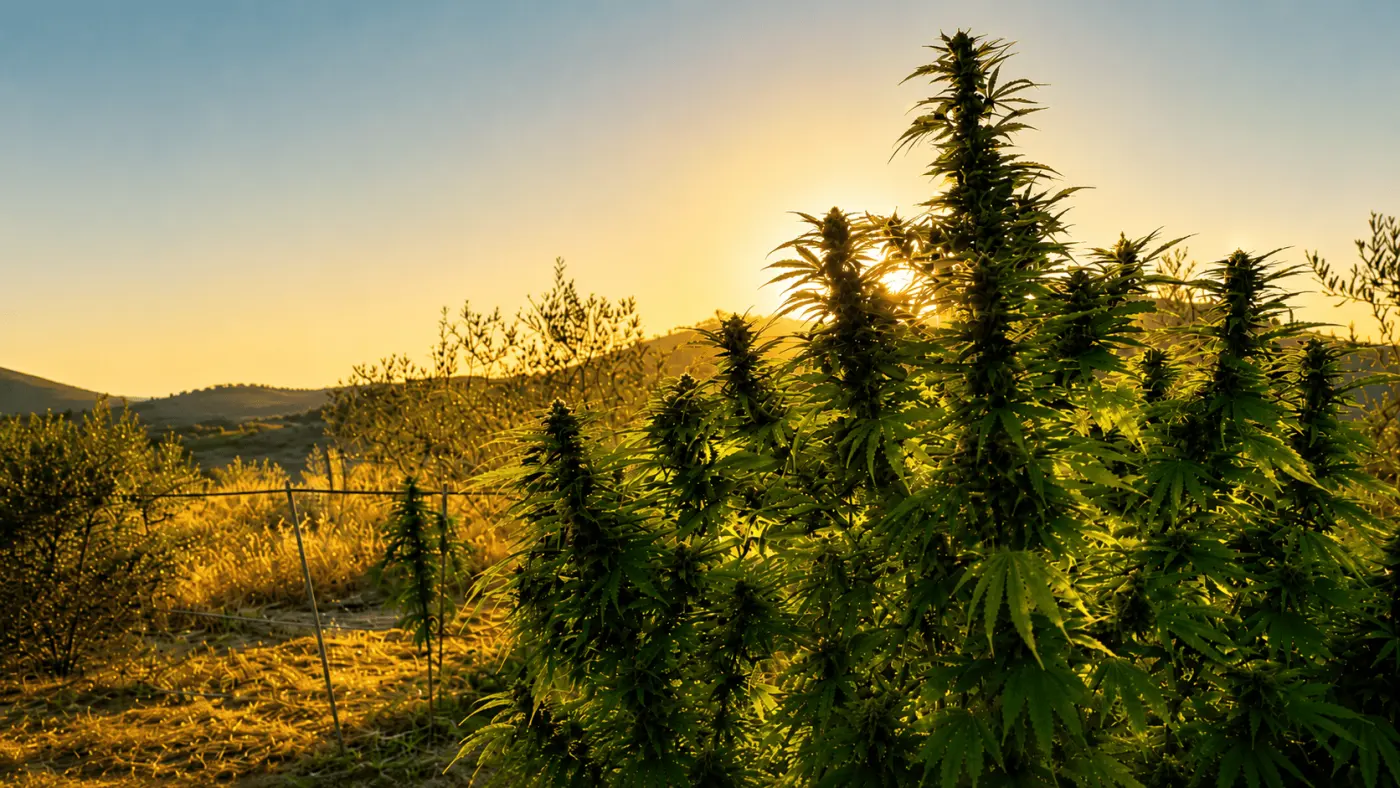
The microclimate of your specific yard or garden bed dictates plant transpiration rates, fungal resistance, and canopy temperature stability. A site located just 50 feet away behind a treeline can suffer a 40% reduction in photosynthetic yield due to daily shade patterns.
Avoid low-lying valley bottoms or drainage basins where cold, damp air settles at night. These cold spots freeze earlier in autumn and create high-humidity pockets that trigger bud rot (Botrytis cinere). Positioning plants on elevated or gently sloping ground ensures air drainage and early morning sun exposure to dry off dew. For a detailed breakdown on solar mapping, check out our guide on sunlight exposure and outdoor microclimates:
Master solar tracking, light intensity, and garden microclimates for outdoor cannabis. Learn how to optimize solar angles, manage heat stress, and eliminate morning dew pockets.
2. Soil Preparation, Compost, and Ground vs. Container Growing
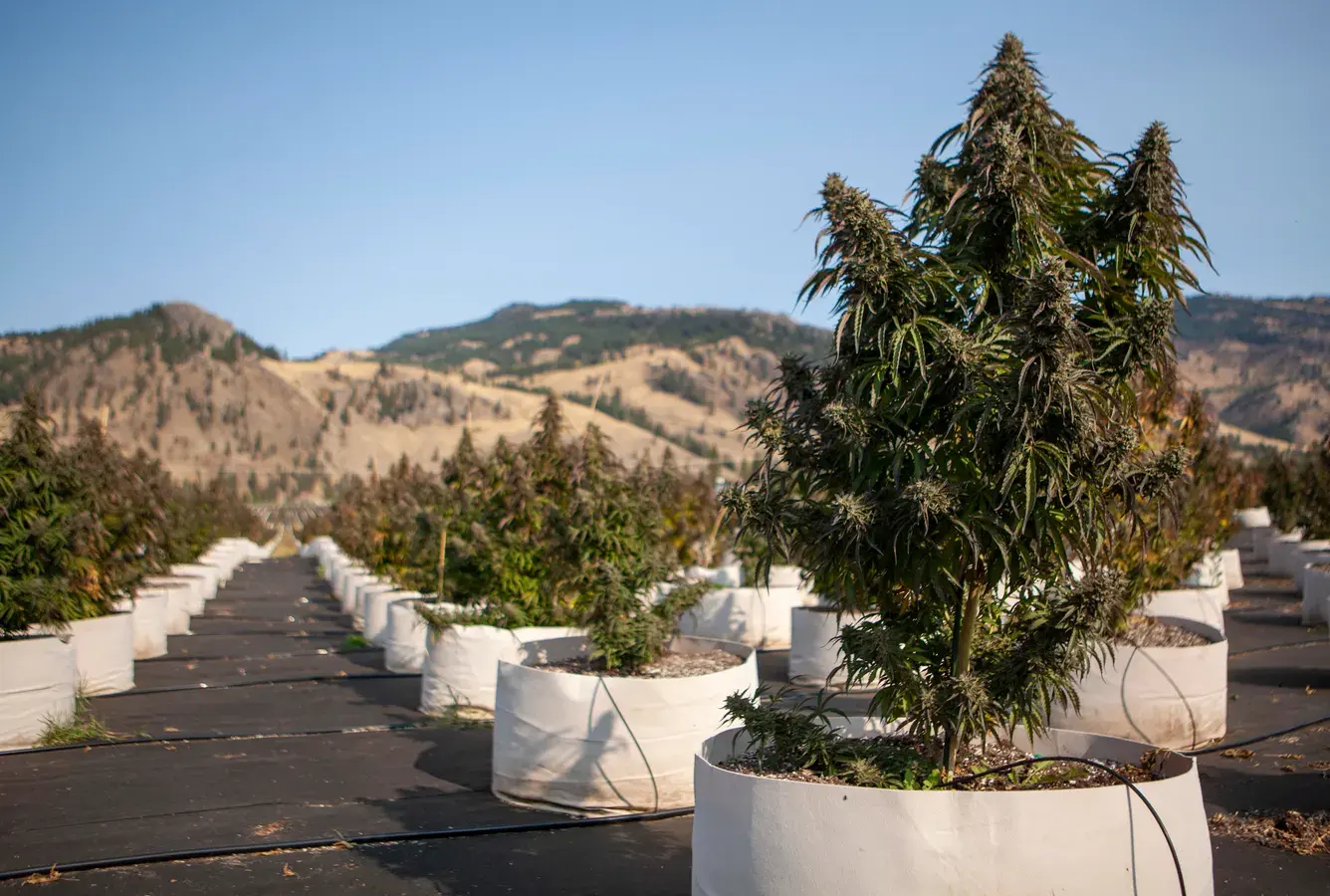
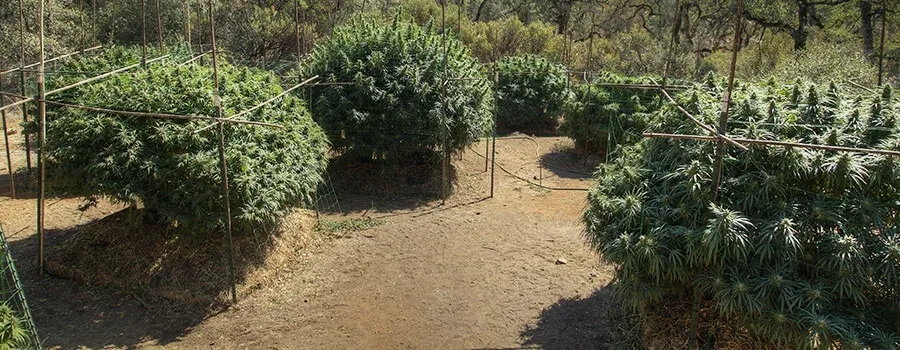
Outdoor cannabis root systems can extend 3 to 6 feet deep and wide when unconstrained. Deciding between direct in-ground planting, raised beds, or large fabric pots depends on your native soil quality.
Soil Preparation
In-Ground Beds vs. Fabric Containers
Criteria
In-Ground Beds
Fabric Smart Pots (30–100+ Gal)
Root Space
Virtually unlimited potential
Limited to container volume
Water Retention
High (infrequent watering needed)
Dries quickly (air-prunes roots)
Soil Temperature
Buffer insulated by ground mass
Heats up quickly under direct sun
Mobility
Fixed location
Can be moved if weather turns bad
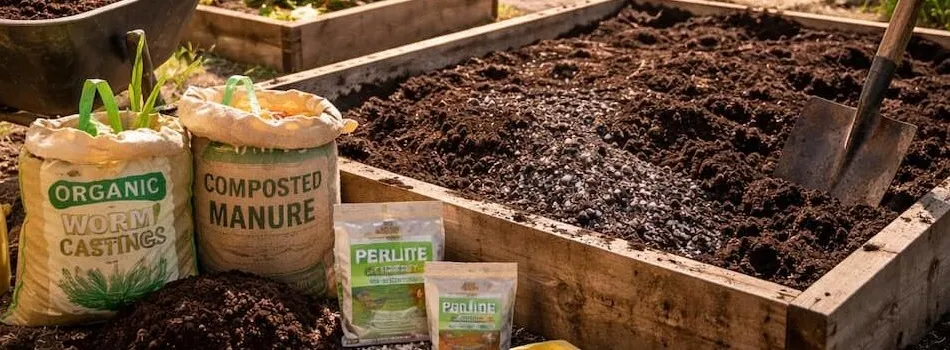
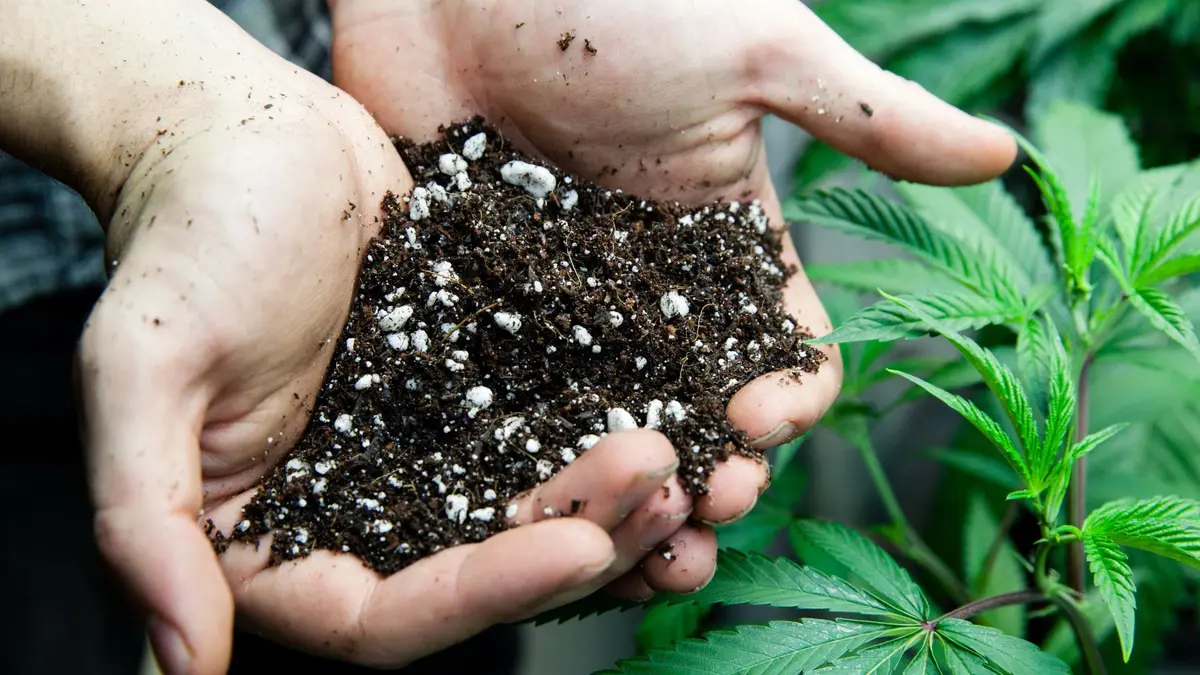
If your native soil consists of heavy clay or dense sand, amend it heavily with organic compost, worm castings, perlite, and biochar. For optimal nutrient delivery without synthetic burn, follow our complete instructions on outdoor soil preparation and living beds:
Learn how to build rich, living soil for outdoor cannabis. Master native soil testing, pH adjustment, no-till beds vs. fabric containers, and organic amendments.
3. Choosing Genetics for Outdoor Resilience
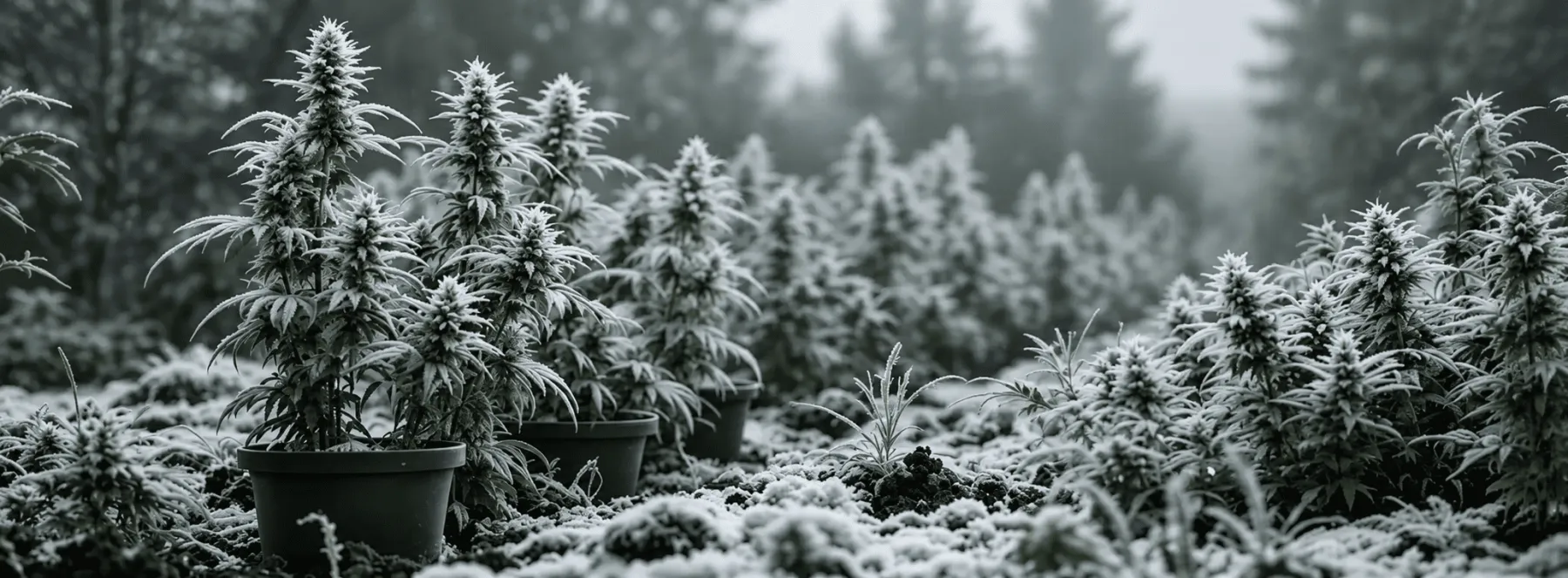
Not all indoor trophy strains thrive under the elements. Outdoor cultivars must exhibit structural branch strength, resistance to pests and mold, and a flowering timeline that completes before seasonal frosts.
Choose outdoor cannabis genetics bred for resilience, prioritizing cold tolerance, mold resistance, strong structure, and reliable performance in unpredictable weather.
Damp / Northern Climates (Latitude >45°N): Growers in regions like Northern Europe, Scandinavia, Canada, and the UK face short summer windows, high autumn rainfall, and night temperatures dropping down to 5°C–10°C (41°F–50°F). Selecting the wrong strain almost guarantees Botrytis cinerea (grey mold/bud rot) late in the season.
Genetics to Look For: Prioritize fast-flowering Indicas (6–8 week bloom cycle), Cannabis ruderalis crossbreeds (Autoflowers), and semi-autoflowering mountain landraces like ErdPurt (ACE Seeds), which can handle severe frost and humidity up to latitude 55°N.
Morphology: Seek out varieties with ventilated, airy calyx structures or thick cuticles that protect cellular walls from thermal shock and allow passive wind circulation through the canopy. Legend strains like Northern Lights, Early Skunk, and Frisian Dew excel by finishing between late August and late September before heavy rain sets in.
Hot / Arid Climates: Sativa-dominant hybrids with long internodal spacing handle intense heat, dry winds, and high UV exposure exceptionally well. Their open structure allows heat to dissipate quickly without scorching plant tissue.
Always review your regional historical weather data for the average date of your first autumnal frost. Match your genetics using our curated best outdoor cannabis strains directory.
Growing in Northern Latitudes? Discover the top mold-resistant and frost-hardy cultivars for short summers in our comprehensive guide:
Discover the best outdoor cannabis strains for damp, cold, and hot climates. Compare mold resistance, autoflowering options, and canopy architecture.
4. Outdoor Watering Systems, Rainwater Harvesting, and Mulching
Large outdoor plants in full peak-summer bloom can consume between 5 to 10 gallons of water per day. Hand-watering with a hose creates uneven moisture cycles and compacts topsoil.
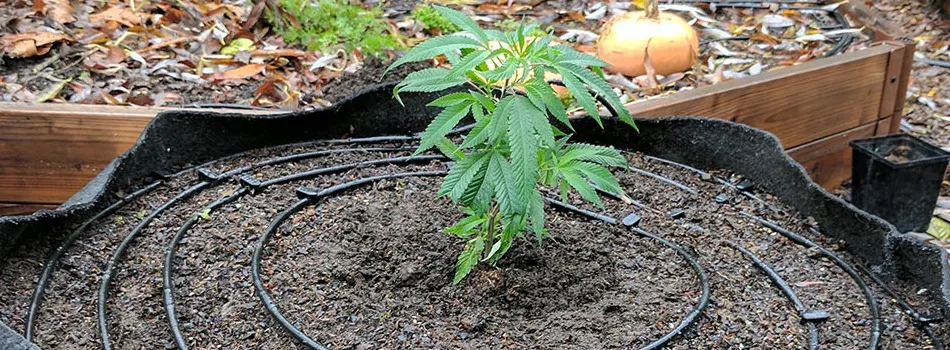
Outdoor Watering SystemsInstalling automatic drip lines hooked up to a timer delivers consistent volumetric moisture directly to the root zone without wetting the leaf canopy. To conserve water and protect soil microbiology, apply a 3-inch layer of organic straw or wood-chip mulch across the topsoil. Learn more about designing gravity-fed setups in our guide to automated drip irrigation for outdoor cannabis:
Master outdoor cannabis watering and drip irrigation. Learn water source pH testing, gravity-fed systems, and mulching strategies to maximize yield.
5. Integrated Pest Management (IPM) & Wildlife Defense
Outdoors, you cannot sterilize your environment; you must manage it through biological balance. An effective outdoor IPM strategy combines physical barriers, beneficial insects, and organic sprays.
Wildlife Defense
Key Outdoor Threats & Solutions
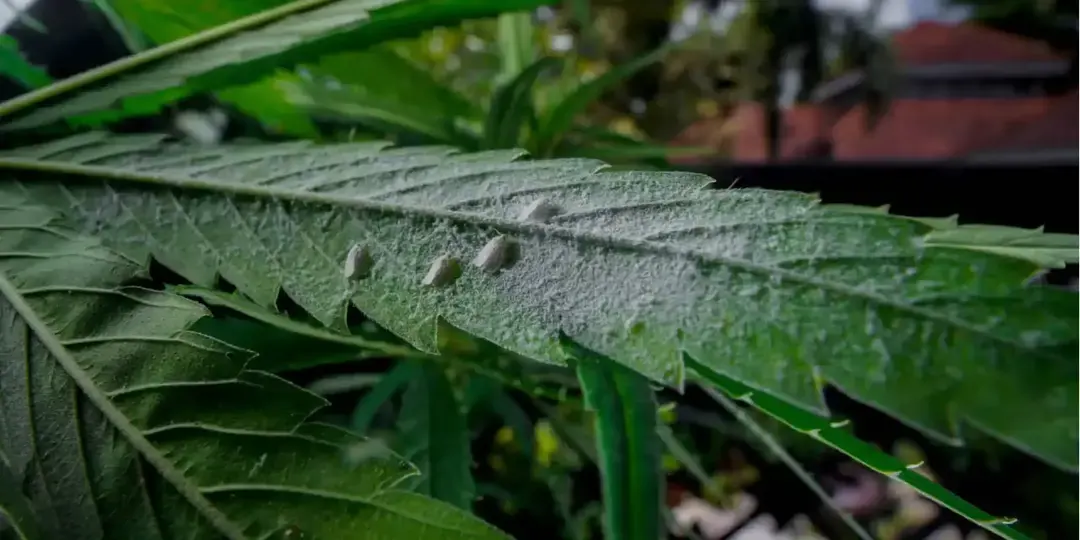
Caterpillars (Eurasian Hemp Borer): The #1 cause of outdoor bud rot. Spray Bacillus thuringiensis (Bt) weekly from early flower until harvest.
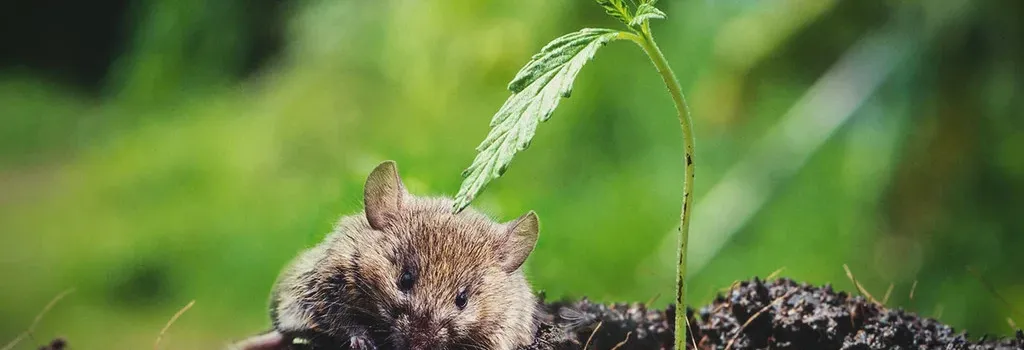
Mammals (Deer, Gophers, Rabbits): Install 6-to-8-foot perimeter fencing and line container bases with hardware cloth to stop burrowing rodents.
Protect your indoor cannabis crop with a proactive Integrated Pest Management (IPM) strategy. Learn how to prevent spider mites, fungus gnats, powdery mildew, and root rot organically.
6. Canopy Management: Heavy-Duty Trellising and Wind Protection
Outdoor plants routinely reach 6 to 10 feet in height with canopy footprints exceeding 8 feet across. Autumn storms and heavy flower weight will snap unsupported main branches.
Heavy-Duty Trellising and Wind Protection
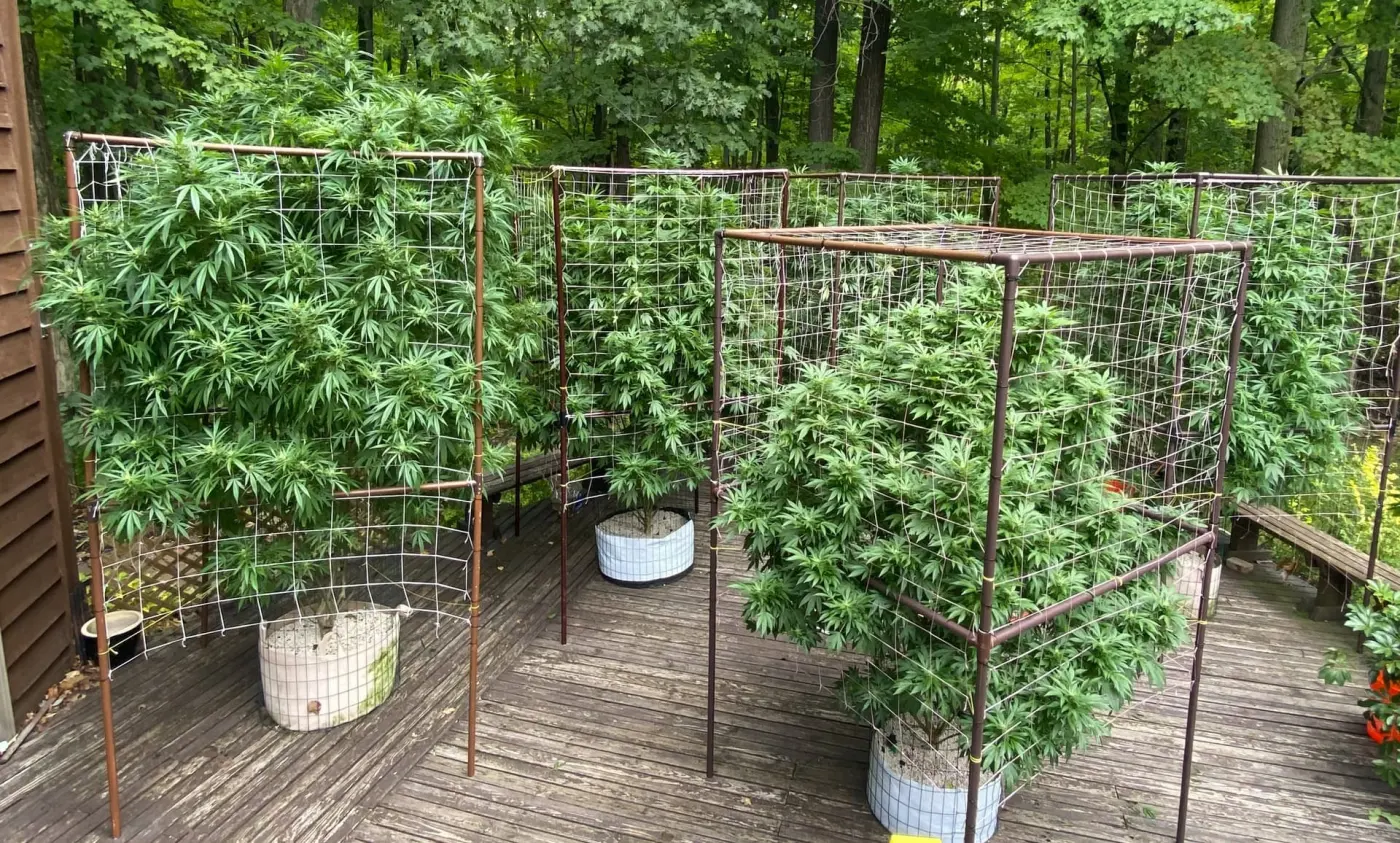
Drive heavy-duty steel T-posts into the ground at the four corners of your plant or container. Stretch wide-masonry netting (6-inch square mesh) across the T-posts at two distinct levels: one at mid-vegetation (3 feet) and a second layer at early flowering (5–6 feet). Dive deep into topping, pruning, and structural framing in our heavy-duty outdoor trellising and pruning guide:
Master outdoor cannabis canopy management. Learn topping, lollipoping, heavy-duty T-post trellising, and structural wind protection to maximize yield and prevent branch snapping.
7. Autumn Harvest Timing, Bud Washing, and Wet-Weather Defense
The final weeks of flowering carry the highest environmental risk. Cold fall nights combined with morning dew create ideal conditions for rapid mold infestation.
Harvest TimingIf severe weather approaches, erect temporary clear plastic tarps over your trellis frame to create a rain shelter, ensuring side airflow remains open. Once harvested, outdoor buds should undergo a 3-bucket washing process (dilute lemon juice/baking soda solution followed by two clean water rinses) to remove windborne dust, wild pollen, and insect debris. Review full drying room setup and washing steps in our outdoor cannabis harvest timing and weather protection guide:
Master outdoor cannabis harvest timing, trichome ripeness, seasonal wet-weather defense, 3-bucket bud washing, and 60/60 drying and curing parameters.
Frequently asked questions
When should I put my cannabis seedlings outside in the spring?
Move plants outdoors after all danger of spring frost has passed and night temperatures consistently stay above 50°F (10°C). Additionally, ensure natural daylight reaches at least 14 hours per day to prevent young photoperiod plants from prematurely triggering bloom.
How do I prevent outdoor plants from flowering too early?
If moving plants started indoors out to the garden in early spring, supplement them with outdoor solar garden lights or bring them out only when natural day length matches your indoor light cycle. Moving plants out when natural days are under 14 hours will trigger premature flowering.
Evidence and further reading
Authoritative sources
References supporting factual claims and further reading in this guide.