Integrated Pest Management (IPM) for Cannabis: Preventing Bugs, Mold, and Root Rot
Protect your indoor cannabis crop with a proactive Integrated Pest Management (IPM) strategy. Learn how to prevent spider mites, fungus gnats, powdery mildew, and root rot organically.
Key takeaways
- Sanitation is step zero Always change clothes and wash your hands before entering your grow tent if you have been outdoors; human clothing is the primary transport vector for outdoor pests.
- Never spray developing buds Applying oils or soaps during flowering ruins terpene profiles, traps moisture inside colas, and creates health hazards when smoked.
- Maintain strict climate control High humidity combined with stagnant air guarantees fungal issues; maintaining an ideal Vapor Pressure Deficit (VPD) is your best pesticide.
A single pest outbreak or mold infection can destroy months of hard work in a matter of days. In an indoor grow room, high temperatures, steady humidity, and dense plant canopies create an ideal environment for pests and fungal pathogens to multiply rapidly without natural predators.
Integrated Pest Management (IPM) shifts your strategy from reactive chemical spraying to proactive prevention. By combining environment control, strict physical hygiene, biological predators, and targeted organic treatments, you can keep your grow tent completely pest-free.
Pest management is one piece of a healthy garden; review our indoor cannabis cultivation master guide to optimize your overall setup.
1. The Common Indoor Pests & How to Eradicate Them
Spider Mites (Tetranychus urticae)
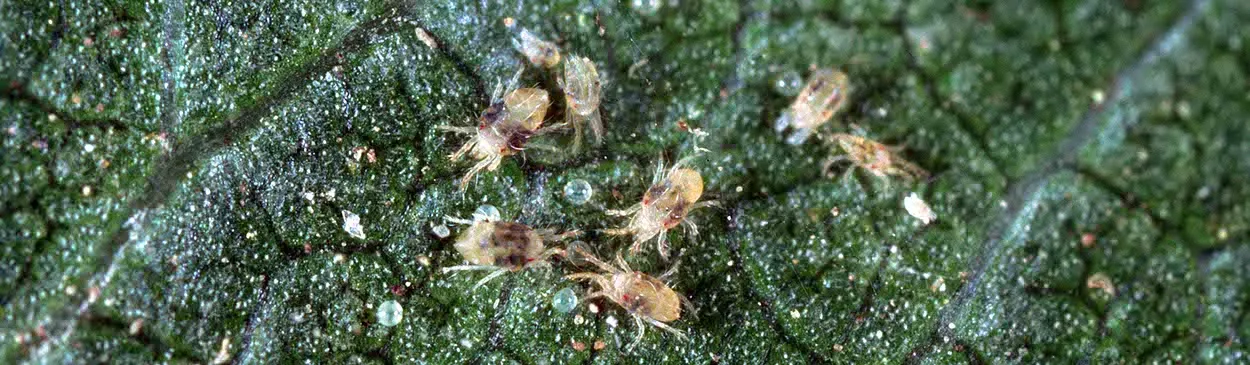
- Identification: Tiny yellow or white speckling (stippling) on the upper surface of fan leaves. In advanced stages, fine webbing covers the buds.
- Prevention & Treatment: Introduce predatory mites (Phytoseiulus persimilis or Neoseiulus californicus) during veg. If spraying, use organic contact sprays like cold-pressed neem oil, potassium salts of fatty acids, or horticultural oils every 3 days for two weeks to break the egg cycle.
Fungus Gnats
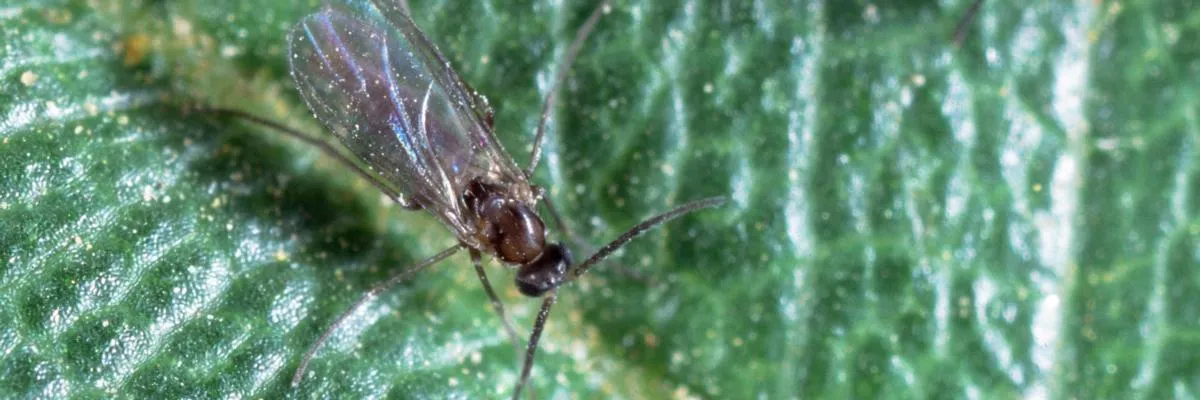
Identification: Small black flies crawling on the topsoil or hovering near root pots.
Prevention & Treatment: Allow the top two inches of soil to dry out between waterings. Place yellow sticky traps flat on the soil surface to catch adults, and apply water treated with Bacillus thuringiensis israelensis (BTI) or beneficial nematodes (Steinernema feltiae) to kill larvae in the root zone.
Thrips
Thrips are tiny, slender insects that scrape the outer surface of leaf tissue and feed on plant sap.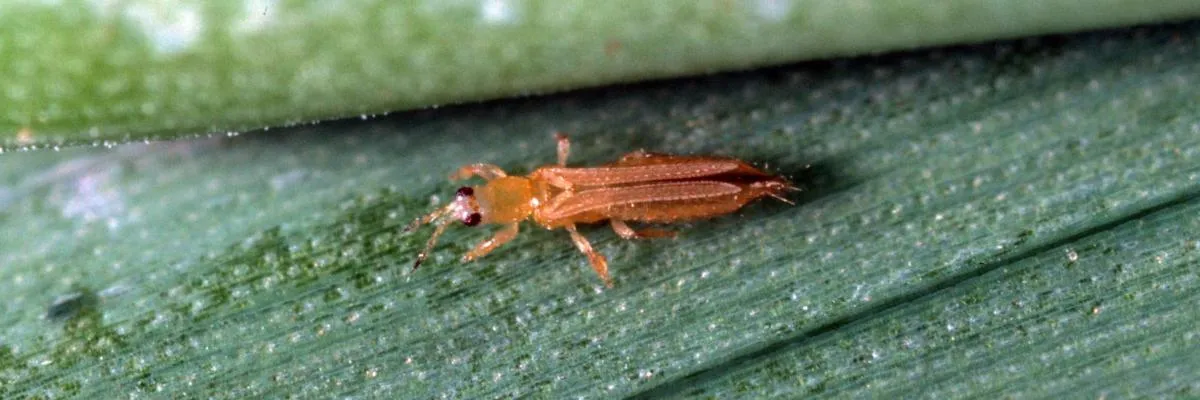
2. Fungal Pathogens: White Powdery Mildew & Bud Rot
White Powdery Mildew (WPM)
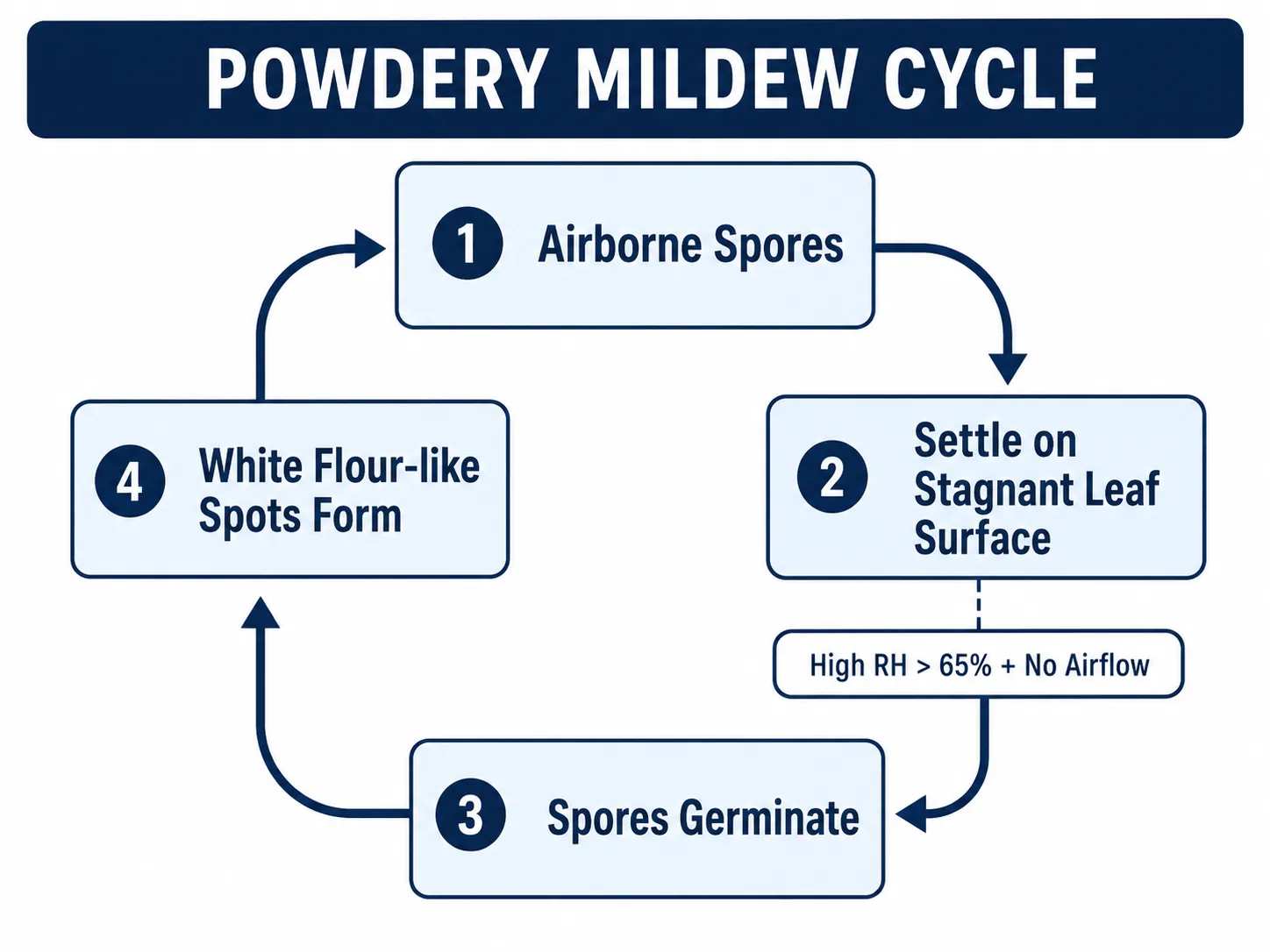
WPM is a airborne fungal spore that settles on fan leaves when relative humidity is high and airflow is stagnant.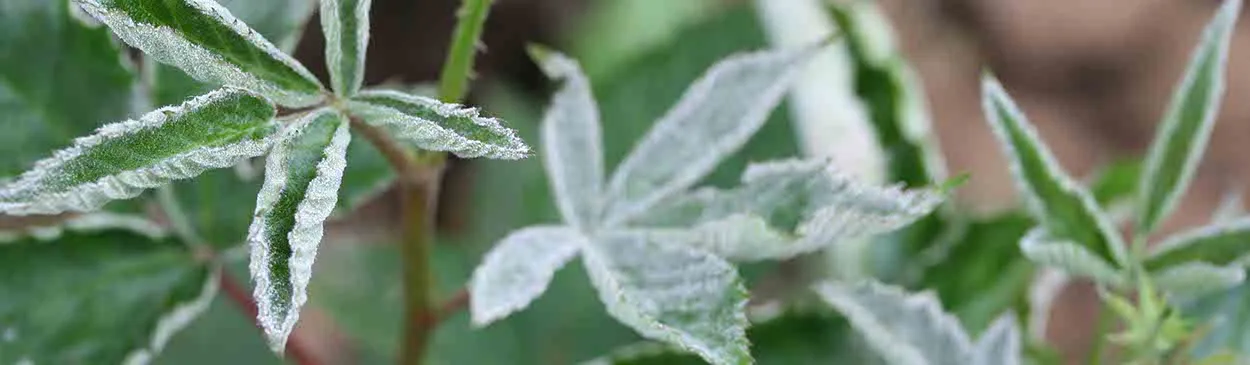
- Prevention: Keep grow tent RH within target VPD ranges and maintain continuous oscillating canopy fan movement.
- Treatment: Spray with potassium bicarbonate solution or diluted hydrogen peroxide during veg. Remove heavily infected leaves immediately to stop spore distribution.
Bud Rot (Botrytis cinerea)

- Prevention: Drop relative humidity below 45% during weeks 5–10 of flowering. Ensure oscillating fans move air through the canopy, not just above it.
- Treatment: There is no cure for an infected cola. Carefully cut away the infected branch 2 inches below the rot, enclose it in a plastic bag to prevent spore distribution, and discard it immediately.
3. Root Rot (Pythium) in Soil and Hydroponics
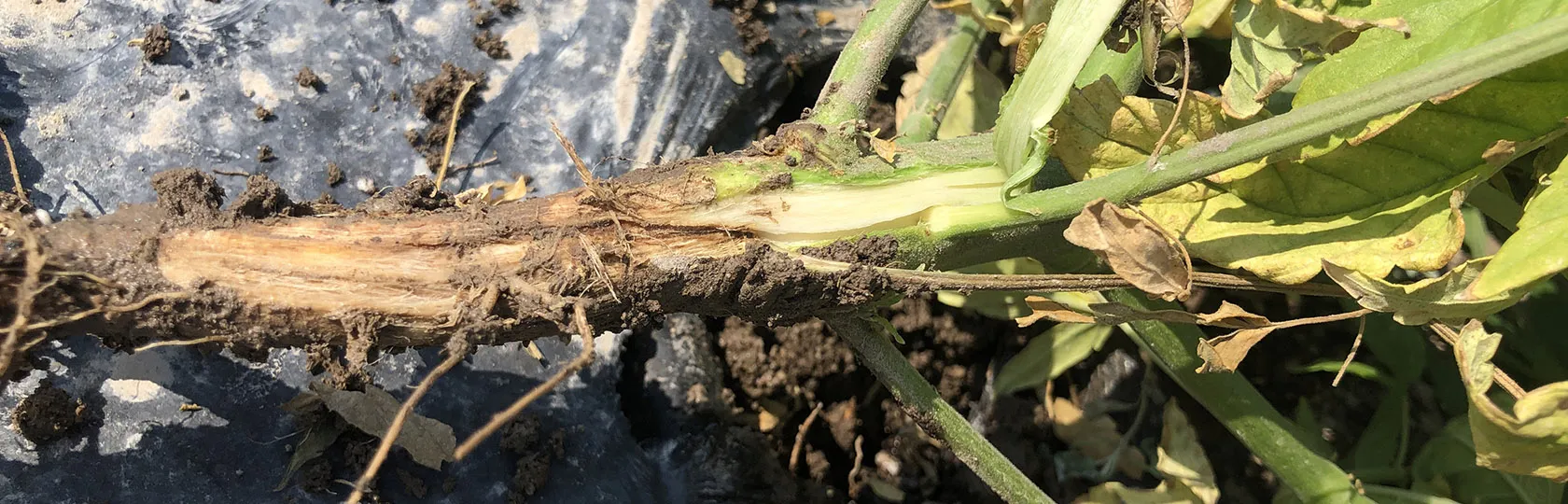
- Symptoms: Plants wilt even when the medium is wet. Roots turn brown, slimy, and emit a decaying, sour odor.
- Prevention & Fix: In hydroponics (DWC), keep water temperatures strictly between 65°F and 68°F (18°C – 20°C) using a water chiller. Supplement the reservoir with beneficial root bacteria like Bacillus amyloliquefaciens or hypochlorous acid (HOCl) to sanitize the root zone.
IPM Method Comparison
| Criteria | Biological Controls (Beneficials) | Organic Contact Sprays (Foliars) |
|---|---|---|
| Mode of Action | Predators hunt and consume target pests continuously | Kills on contact via smothering or cell disruption |
| Application Window | Safe during both Vegetative and Flowering stages | Vegetative stage ONLY (Avoid spraying flowers) |
| Residue Risk | Zero chemical or oil residue on final flowers | Risk of lingering oils altering bud taste if used in bloom |
| Preventative Value | High (Establishes an active defense barrier) | Moderate (Requires repeated sprays to kill hatchlings) |
Frequently asked questions
Can I use Neem oil during the flowering stage?
No. Neem oil leaves an oily, hydrophobic residue on flower trichomes that alters flavor, ruins smoke quality, and can produce toxic compounds when combusted and inhaled. Use beneficial insects or physical extraction during flowering instead.
How do I know if my plant has root rot or just a nutrient deficiency?
Inspect the roots directly. Healthy roots are bright white, firm, and odorless. Roots infected with Pythium (root rot) are dark brown, slimy, smell like decaying matter, and easily slide apart when gently pulled between your fingers.
Authoritative sources
References supporting factual claims and further reading in this guide.