The Future of Cultivation: How Triploids Are Revolutionizing Cannabis Genetics
Discover how triploids are revolutionizing cannabis cultivation. Learn about triploid genetics, seedless weed advantages, higher terpene and THC yields, and why top breeders are shifting away from traditional diploid strains.

Key takeaways
- Definition Triploid cannabis refers to cultivars containing three complete sets of chromosomes (3n = 30), whereas standard diploid cultivars possess two sets (2n = 20).
- Reproductive Sterility An uneven chromosome count prevents normal meiosis, resulting in functional sterility and seedless flower—even when exposed to male pollen.
- Enhanced Potency Redirecting energy away from seed production allows triploids to develop denser trichomes, generating up to a 3% to 5% relative increase in total THC.
- Superior Biomass Yields Triploid varieties exhibit accelerated vegetative vigor, producing 15% to 30% more overall flower mass per square foot of canopy.
- Breeding Method Triploids are produced non-GMO by crossing an artificially induced tetraploid (4n) female with a standard diploid (2n) pollen donor.
- Extraction Value Seedless flower and increased trichome density prevent bitter seed oils from contaminating extracts, raising hydrocarbon and solventless rosin yields.
The commercial cannabis industry moves fast, but every few years, a technological leap completely redefines how we cultivate. Right now, that breakthrough is triploids. While traditional breeding relies on standard genetic pairings, triploids offer growers virtually seedless crops, higher cannabinoid concentrations, and immune-like resistance to cross-pollination. If you are looking to maximize yields, boost potency, and protect your commercial grow room from stray pollen, understanding polyploid genetics is essential. Here is your ultimate guide to triploid cannabis genetics, how they work, and why they represent the future of modern cultivation.
What Are Triploids in Cannabis?
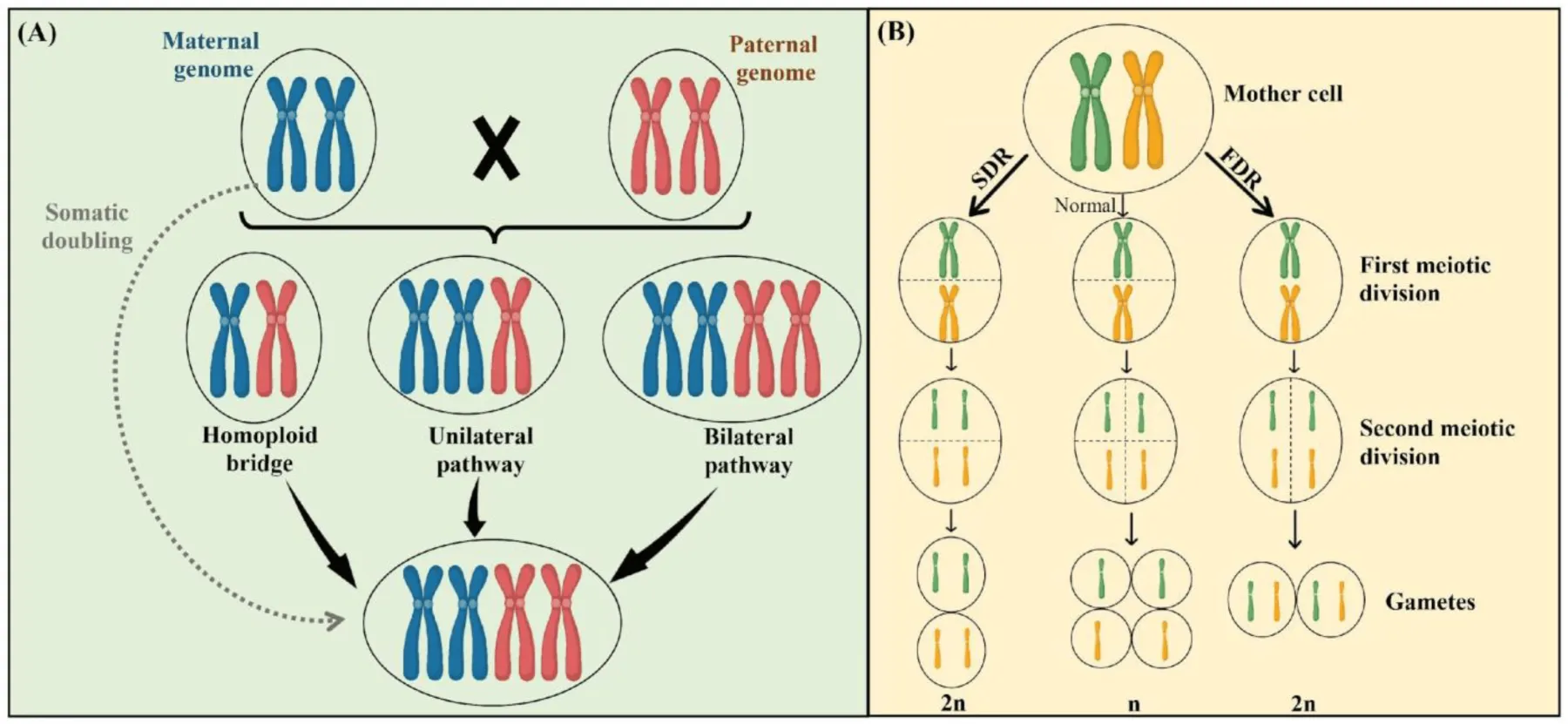
To understand a triploid, we first need to review basic plant genetics. Standard Cannabis sativa plants are diploid, meaning they carry two sets of chromosomes (2n = 20)—one set inherited from the male pollen donor and one set from the female mother.
A triploid cannabis plant possesses three complete sets of chromosomes (3n = 30).
This odd number of chromosome sets disrupts normal meiosis, making it nearly impossible for the plant to form viable seeds, even if exposed to male pollen.
How Are Triploid Seeds Created?
Triploid cannabis seeds do not happen by accident in nature very often. Breeders actively produce them through a precise, multi-step process:- Inducing Tetraploidy: Breeders treat a selected diploid mother plant with natural compounds like colchicine or oryzalin to double its chromosomes, creating a tetraploid plant (4n = 40).
- Cross-Breeding: The stable tetraploid (4n) parent is crossed with an elite diploid (2n) pollen donor.
- Resulting Seeds: The resulting offspring receive two chromosome sets from the tetraploid parent and one set from the diploid parent, yielding a stable triploid seed line (3n).
Why Modern Commercial Cultivators Are Switching to Triploids
For commercial growers, the introduction of triploid genetics solves several of the biggest operational risks in large-scale cannabis farming.1. Seedless Crop Insurance (Pollen Resistance)
Accidental pollination can ruin an entire commercial harvest, dropping biomass value by reducing total cannabinoids and creating consumer-unfriendly seeded flower.Because triploid cannabis is functionally sterile, even if stray pollen hits your female crop from a neighboring hemp field or a stress-induced hermaphrodite, seed development fails. You get true seedless flower regardless of ambient pollen pressure.
2. Higher Cannabinoid and Terpene Density
Plant cells with higher ploidy levels often exhibit "giga effects"—larger cell structures, denser foliage, and higher metabolic output.- Elevated THC and CBD: Research from companies like Humboldt Seed Company and Dark Heart Nursery demonstrates that triploid cultivars frequently test 3% to 5% higher in total THC compared to diploid siblings.
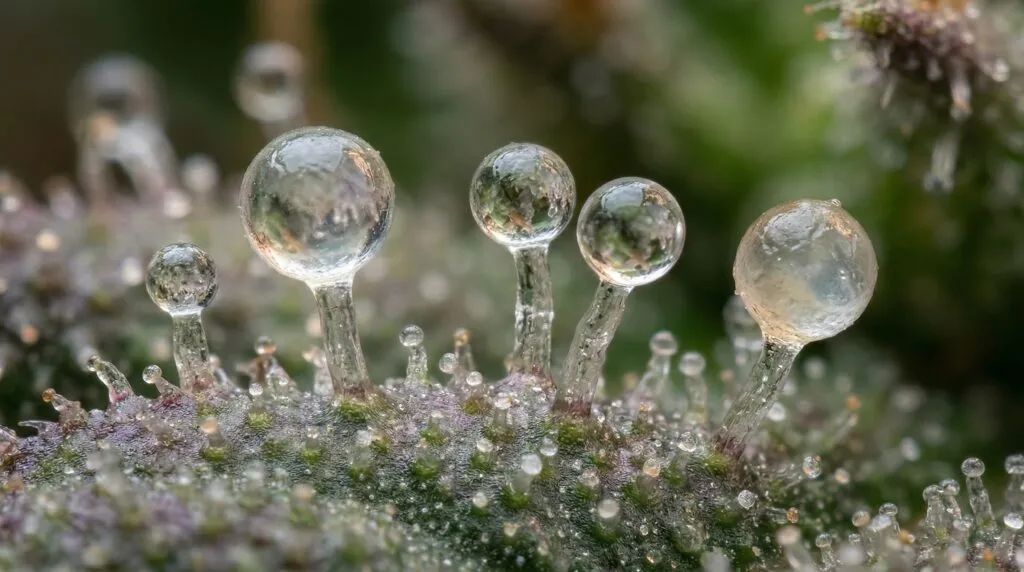
- Rich Terpene Profiles: Larger glandular trichomes allow for greater accumulation of volatile monoterpenes and sesquiterpenes, enhancing flavor, aroma, and bag appeal.
3. Accelerated Growth and Biomass Yield
Because triploid plants do not expend energy on seed production or sexual reproduction pathways, that metabolic energy is redirected toward vegetative vigor and flower mass.- Faster Growth Rates: Triploid vegetative cycles are often shorter, allowing growers to shorten total crop turnover times.
- Increased Harvest Weight: Cultivators report overall biomass increases between 15% and 30% per square foot of canopy space.
- Environmental Resilience: Enhanced genetic diversity within the plant's cells often translates to better drought tolerance and insect resistance.
Diploid Cannabis (2n) vs Triploid Cannabis (3n)
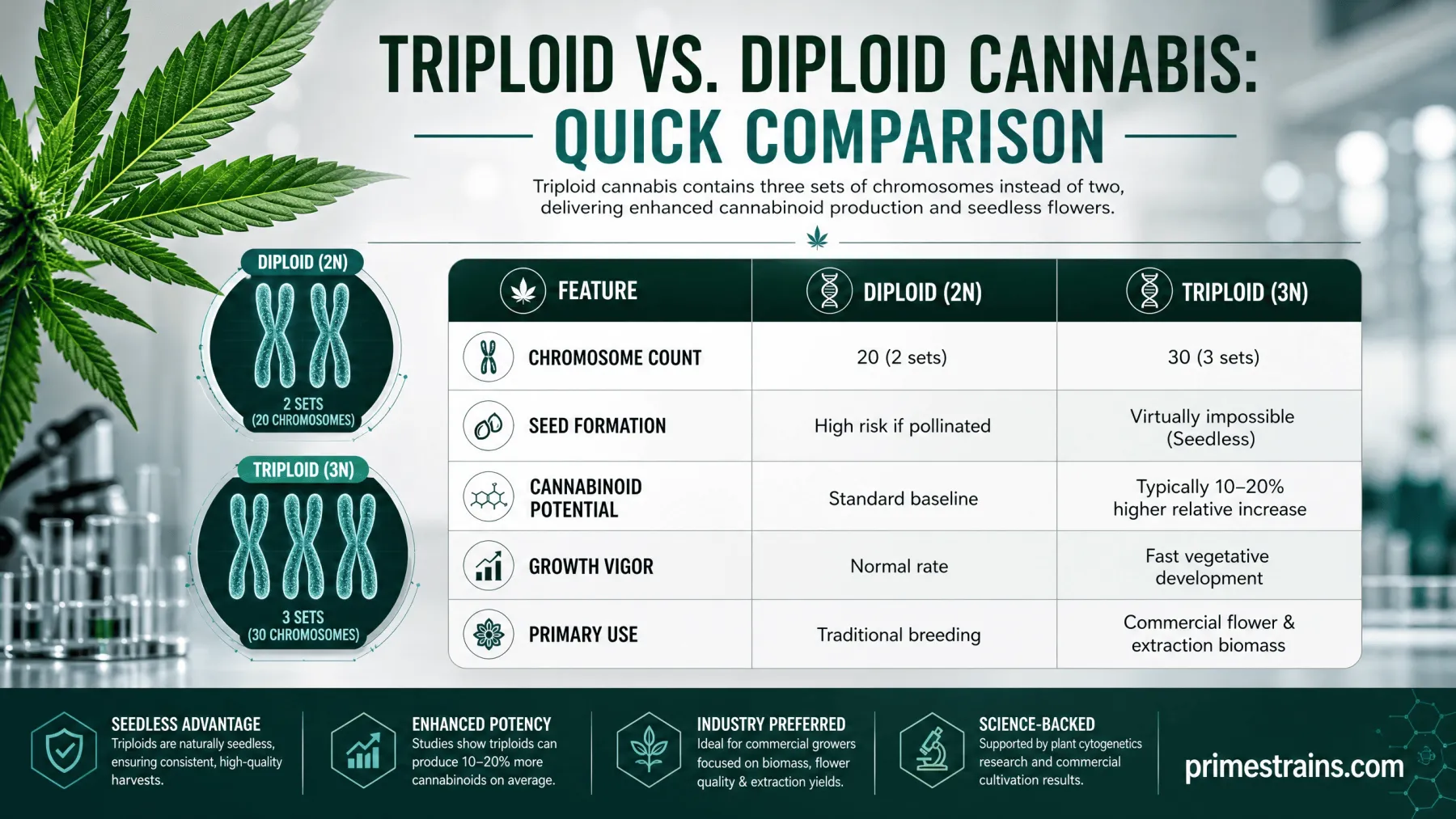
| Criteria | Diploid Cannabis (2n) | Triploid Cannabis (3n) |
|---|---|---|
| Genetic Structure | High risk of seed production if pollinated | Functionally sterile (100% seedless flower) |
| Potency Potential | Baseline THC and terpene levels | 3% to 5% higher total THC; elevated terpenes |
| Biomass Yield | Standard growth rate and density | 15% to 30% increase in overall flower yield |
| Growth Vigor | Regular growth cycle | Accelerated vegetative growth and higher resilience |
| Extraction Efficiency | Standard resin production; risk of seed oil contamination | Denser trichomes; cleaner, higher-yielding extracts |
| Primary Purpose | Traditional plant breeding and seed production | High-density commercial cultivation and processing |
Triploid vs. Diploid Cannabis: Quick Comparison
Economic Impact on the Extract Industry
Beyond top-shelf flower sales, triploid genetics offer massive advantages for hydrocarbon, solventless, and ethanol extraction operations.Because extraction labs purchase biomass based strictly on extractable oil percentage per pound, triploid cultivars deliver higher return-on-investment (ROI):
- Solventless Hash Yields: Denser, larger trichome heads increase fresh-frozen wash efficiency for rosin producers.
- Lower Remediation Costs: Zero seeds mean processors do not need to filter out bitter seed oils or shell fragments during extraction runs.
- Standardized Consistency: Triploid seed batches yield uniform genetic profiles, simplifying large-scale biomass processing.
The Road Ahead for Triploid Breeding
As legal markets mature, the pressure on commercial margins requires cultivators to optimize every square foot of canopy. Triploid genetics give commercial operators a distinct competitive advantage—higher yields, reduced risk of pollination crop loss, and elevated potency profiles.Leading seed banks and tissue culture nurseries are rapidly rolling out triploid varieties of popular market strains. For commercial growers looking to future-proof their facility, integrating triploids into the canopy strategy is no longer just an experiment—it is becoming the new industry standard.
Frequently asked questions
Are triploid cannabis plants GMOs?
No. Triploids are non-GMO. They are produced through natural selective breeding and cellular doubling techniques commonly found in organic agriculture, not by inserting foreign DNA or editing genes with CRISPR.
Can you clone a triploid plant?
Yes. You can take vegetative cuttings and clone triploid mother plants just like standard diploids. The genetic stability and chromosome count remain identical across clone generations.
Can triploids produce pollen or seeds?
Triploid male or female flowers are functionally sterile. While they may rarely produce a tiny, undeveloped "pollen sac" or dummy seed coat, these structures lack viable gametes and will not produce viable offspring.
Authoritative sources
References supporting factual claims and further reading in this guide.