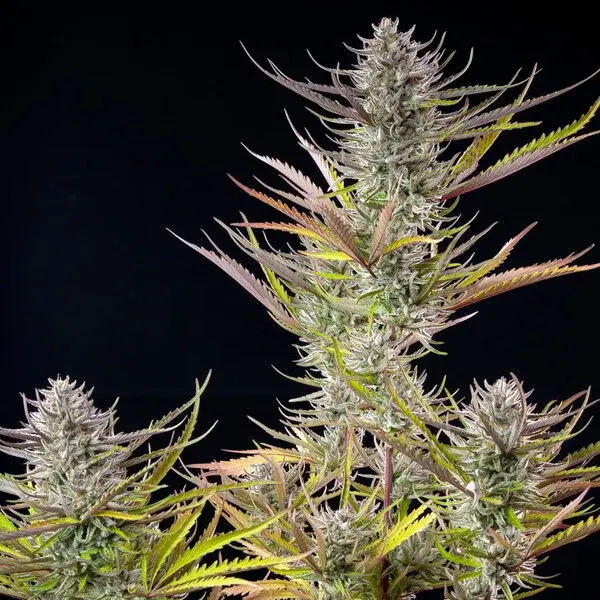
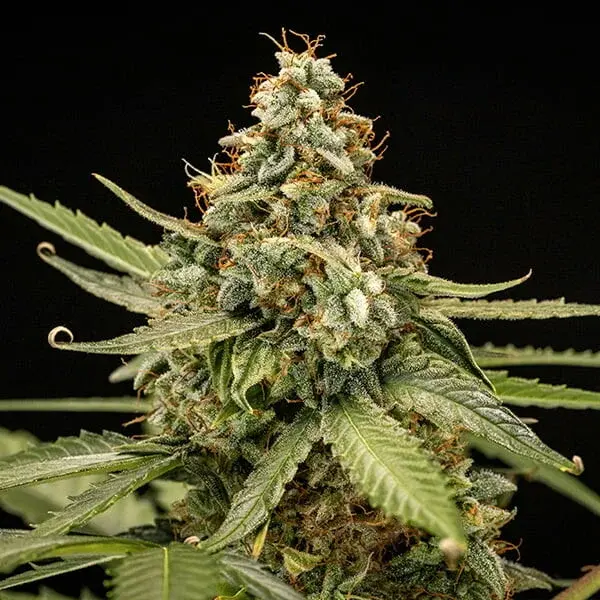
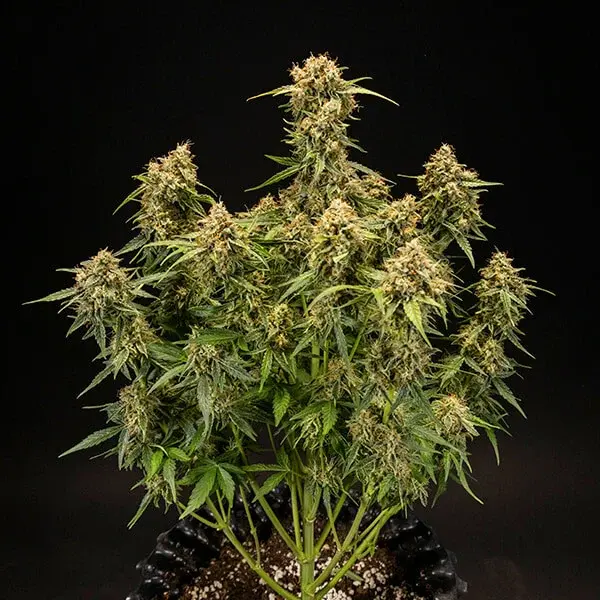
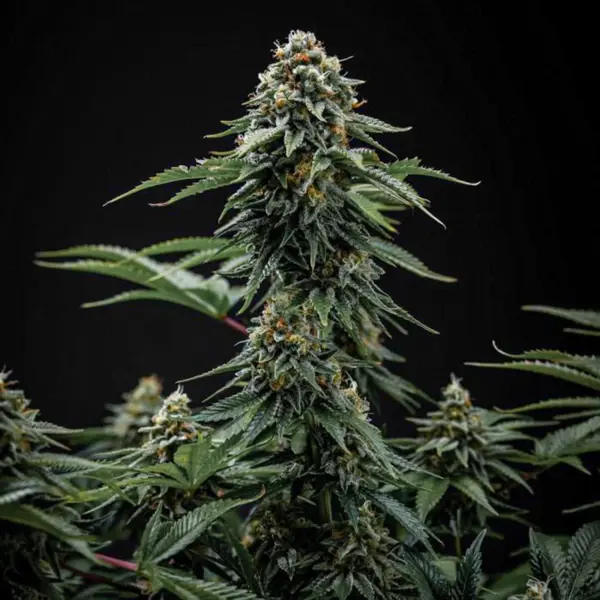
Farnesene is a light, green-apple terpene with sweet, herbal, and slightly woody undertones, found in cannabis alongside apples, chamomile, and ginger. Valued for its potential anti-inflammatory and calming properties, this terpene lends a crisp, fruity brightness to a strain's overall aroma and flavor profile. It's a favorite among growers and consumers drawn to sweet, orchard-fresh cannabis genetics.
Properties
Farnesene is a sesquiterpene that exists in several isomeric forms (most notably alpha-farnesene and beta-farnesene), giving it a complex, green, and slightly sweet aroma often compared to fresh green apples, unripe fruit, or crisp herbal notes with a faint woody finish. It occurs naturally in cannabis, as well as apple skins, chamomile, ginger, and certain grasses, and is notably a key component of the natural waxy coating on apples. In nature, farnesene also plays a role as an alarm pheromone in aphids and other insects, and some cannabis breeders believe it may contribute to natural pest resistance in certain cultivars. Preliminary research suggests farnesene may have anti-inflammatory, antimicrobial, and antioxidant properties, along with potential calming or mood-supportive effects when combined with other terpenes in the entourage effect. Like other sesquiterpenes, it's relatively volatile and can degrade or oxidize with prolonged light and heat exposure, so proper curing and storage help preserve its delicate aromatic profile.
Common Uses
In cannabis strains, farnesene contributes a light, sweet, apple-like top note that pairs well with citrusy or floral terpenes, adding brightness and complexity to a strain's overall bouquet. It's commonly associated with cultivars marketed for their fruity, dessert-like flavor profiles. In aromatherapy and natural wellness products, farnesene is valued for its fresh, calming scent and is sometimes included in blends aimed at stress relief. It's also used in the fragrance and cosmetics industry to impart green, fruity accords, and in agriculture, synthetic farnesene has been explored as a natural pest-deterrent due to its pheromone-like properties in insects.
 Autoflowering